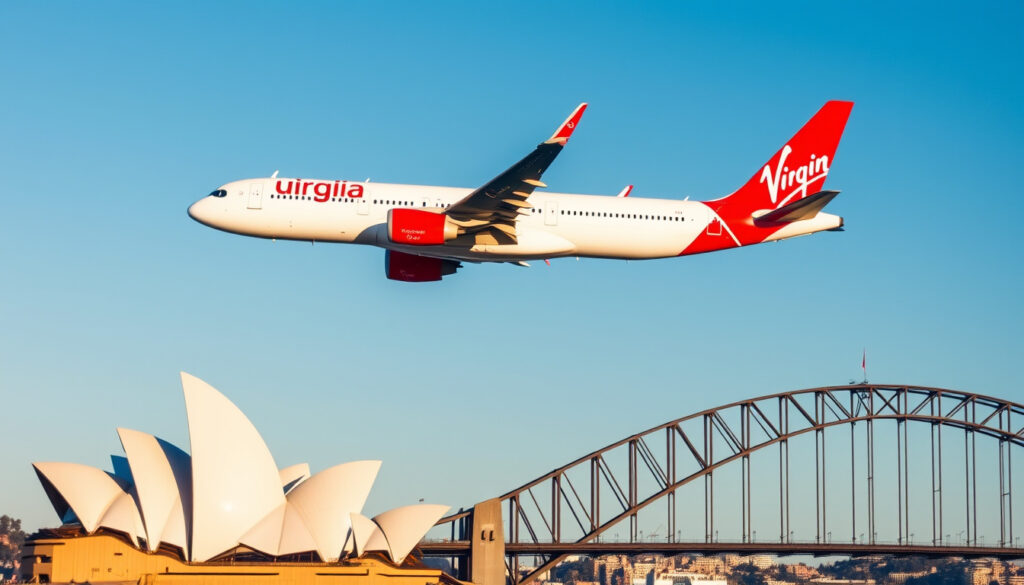
Virgin Airlines Australia – Status, Ownership and Recovery
Virgin Australia stands as Australia’s second-largest airline, operating as a mid-market hybrid carrier that connects passengers across domestic routes and select international destinations. Following a turbulent period that included voluntary administration in 2020, the airline has rebuilt its operations under new ownership while maintaining its position as a significant competitor in the Australian aviation market.
The carrier traces its roots to the year 2000, when it launched as a low-cost alternative to the dominant Qantas. Over nearly two decades, it expanded to capture substantial domestic market share while weathering various economic challenges. Today, the airline continues to serve millions of passengers annually, offering a range of travel classes and maintaining its Velocity Frequent Flyer loyalty program with millions of members.
Understanding Virgin Australia’s current status, ownership structure, and operational capabilities provides essential context for travellers and industry observers seeking to navigate Australia’s competitive airline landscape.
What is Virgin Australia?
Virgin Australia is a Brisbane-based airline that operates as a mid-market hybrid carrier, positioning itself between budget options and premium full-service providers. The airline functions as Australia’s second-largest carrier, serving both domestic and international routes with a focus on providing flexible travel options for business and leisure passengers.
2000
Brisbane, Australia
Bain Capital
Dave Emerson (since March 2025)
The airline operates with three domestic seating options designed to accommodate different traveller budgets and preferences, reflecting its hybrid business model that combines elements of both low-cost and full-service carriers.
Key insights about Virgin Australia:
- Achieved over 30% domestic market share by 2019, establishing itself as the primary competitor to Qantas
- Maintains the Velocity Frequent Flyer program with approximately 10 million members
- Operates Virgin Australia Regional Airlines (VARA) for services to remote Australian destinations
- Current leadership includes CEO Dave Emerson, who assumed the role in March 2025 after serving as Chief Commercial Officer
- Reported strong transformation results for FY2025, demonstrating post-administration recovery
- Carries Qatar Airways as a significant minority stakeholder with a 25% stake approved in February 2025
| Aspect | Details |
|---|---|
| Primary Business Model | Mid-market hybrid carrier |
| Market Position | Australia’s second-largest airline |
| Loyalty Program | Velocity Frequent Flyer (approx. 10 million members) |
| Regional Operations | Virgin Australia Regional Airlines (VARA) |
| International Partnerships | United Airlines (partnership began 2022) |
| Pre-Administration Losses | A$1.9 billion over seven fiscal years (FY2013–FY2019) |
Is Virgin Australia Still Operating?
Virgin Australia continues to operate as an active airline, maintaining regular flight operations across its domestic and select international networks. The airline successfully emerged from voluntary administration in November 2020 and has since rebuilt its operations with a simplified, sustainable business model.
Post-Administration Recovery
The post-administration period brought significant changes to Virgin Australia. Under Bain Capital’s ownership, the company launched what internal communications described as “Virgin Australia 2.0,” featuring streamlined operations and reduced debt levels. The FY2025 annual report indicated strong transformation outcomes, with the airline achieving a sustainable cost base and simplified operational structure.
The restructuring eliminated several aircraft types from the fleet, including the ATR regional turboprops, Airbus A330 widebodies, and Boeing 777 aircraft. The Tigerair brand was retired, consolidating operations under the Virgin Australia name. These changes supported the airline’s shift toward domestic resilience and operational efficiency.
The transition to “Virgin Australia 2.0” involved retiring older widebody aircraft and regional jets, focusing on a more efficient fleet composition better suited to the airline’s mid-market positioning and domestic-focused route network.
Current Flight Status and Network
Virgin Australia maintains operations primarily focused on the domestic Australian market, with routes connecting major capital cities and regional destinations through its VARA subsidiary. The airline historically operated limited international services to Hong Kong and Los Angeles, with post-COVID restart efforts continuing for select routes.
The airline maintains competitive positioning against Qantas and Jetstar in the Australian market, leveraging its three-class domestic seating structure to serve varying passenger needs. Technology investments and lounge enhancements formed part of the post-administration strategy to improve customer experience.
Who Owns Virgin Australia Today?
Virgin Australia’s ownership structure underwent significant transformation following the 2020 administration process. Bain Capital emerged as the primary owner after acquiring the airline in November 2020, implementing comprehensive restructuring measures that reshaped the carrier’s business model and operational approach.
Bain Capital Acquisition Details
Bain Capital completed the acquisition on 17 November 2020, marking the first major Australian airline to exit administration. The private equity firm had been shortlisted by administrator Deloitte alongside other bidders and ultimately secured creditor approval for the purchase on 4 September 2020. The transaction represented a fundamental shift in the airline’s ownership following years of financial challenges.
The acquisition brought immediate leadership changes. Paul Scurrah, who had served as CEO from March 2019, departed in October 2020. Jayne Hrdlicka assumed the CEO role on 18 November 2020, guiding the airline through its restructuring phase until announcing her resignation in February 2024. Dave Emerson, the former Chief Commercial Officer, subsequently became CEO in March 2025.
In October 2024, Qatar Airways agreed to acquire a 25% stake in Virgin Australia, with regulatory approval granted in February 2025. This investment positioned Qatar Airways as a significant minority shareholder while maintaining Bain Capital’s majority ownership position.
While Bain Capital maintains primary ownership, the 25% Qatar Airways stake represents a substantial international investment that may influence future strategic direction and partnership opportunities for the carrier.
What Happened During Virgin Australia’s 2020 Administration?
Virgin Australia entered voluntary administration on 21 April 2020, marking one of the most significant events in Australian aviation history. The COVID-19 pandemic’s impact on air travel combined with pre-existing financial pressures to create an untenable situation for the carrier despite its substantial market position.
Factors Leading to Administration
The airline had accumulated losses totaling A$1.9 billion over seven fiscal years from 2013 to 2019. Multiple factors contributed to these losses, including elevated fuel prices, challenging economic conditions, and a weakened Australian dollar that increased operational costs. Despite achieving over 30% domestic market share by 2019, the carrier struggled to convert market position into sustainable profitability.
As the pandemic devastated global air travel demand, Virgin Australia sought government assistance, requesting a A$1.4 billion federal loan and exploring a A$200 million offer from the Queensland government. The Queensland offer included conditions requiring debt restructuring and retention of the Brisbane headquarters, terms the airline reportedly found unacceptable. Without sufficient financial support, the carrier moved into voluntary administration.
Administration Process and Outcomes
Deloitte managed the administration process, continuing limited operations throughout the proceedings. The airline maintained minimal flights to Hong Kong and Los Angeles while permanently closing New Zealand operations, eliminating approximately 600 positions. Creditors voted to approve Bain Capital’s acquisition bid on 4 September 2020, with the sale completing on 17 November 2020.
A Timeline of Virgin Australia’s Key Events
Understanding Virgin Australia’s evolution requires examining the major milestones that shaped the airline’s development from its founding through its current operations.
- 2000 – Virgin Australia launches as a low-cost competitor to Qantas, initially operating under the Virgin Blue brand
- 2010 – John Borghetti assumes CEO role, succeeding Alan Joyce
- 2018 – Borghetti announces his intention to depart the company
- March 2019 – Paul Scurrah becomes CEO, taking over leadership during a challenging period
- 21 April 2020 – Virgin Australia enters voluntary administration amid COVID-19 impacts and accumulated debt
- 4 September 2020 – Creditors approve Bain Capital’s acquisition bid
- 17 November 2020 – Sale to Bain Capital completes; Jayne Hrdlicka becomes CEO
- 2022 – Virgin Australia establishes partnership with United Airlines, ending the Delta relationship
- February 2024 – Jayne Hrdlicka announces her resignation
- October 2024 – Qatar Airways agrees to acquire a 25% stake
- February 2025 – Qatar Airways stake receives regulatory approval
- March 2025 – Dave Emerson becomes CEO
What We Know and What Remains Unclear
Transparency regarding Virgin Australia’s current operations requires distinguishing between established facts and areas where information remains limited or unavailable in public sources.
| Confirmed Information | Uncertain or Limited Information |
|---|---|
| Bain Capital acquired the airline in November 2020 | Specific current fleet size and aircraft types |
| Dave Emerson became CEO in March 2025 | Detailed current route network and flight frequencies |
| Qatar Airways holds a 25% stake as of February 2025 | Specific baggage allowance policies compared to competitors |
| FY2025 report indicates strong post-administration recovery | Future expansion plans or potential IPO timeline |
| Velocity Frequent Flyer program continues with approximately 10 million members | Specific international route restart timelines |
Virgin Australia in the Australian Aviation Landscape
Virgin Australia occupies a distinctive position within Australia’s airline industry, serving as the primary alternative to the market-leading Qantas Group. The carrier’s mid-market positioning differentiates it from both budget carriers like Jetstar and premium full-service operators, offering flexible options that appeal to diverse passenger segments.
Prior to its 2020 administration, Virgin Australia had captured approximately 30% of the domestic market, demonstrating its ability to compete effectively against a well-established incumbent. The airline’s pre-administration revenues were approximately one-third of Qantas’s, according to available financial comparisons, highlighting the significant scale difference between the two carriers.
The post-administration restructuring emphasized resilience and domestic market focus, reflecting lessons learned from both the pandemic impact and pre-existing financial challenges. Strategic partnerships, including the new United Airlines relationship and the Qatar Airways investment, suggest potential paths for international growth while maintaining the domestic operational base that forms the airline’s core business.
Key Sources and Statements
Virgin Australia’s transformation has been documented through multiple official sources and industry reports. The company’s investor relations materials, including the FY2025 annual report, provide detailed accounts of operational improvements and financial progress following the administration process.
“The Virgin Australia Group soars out of administration and unveils its future direction” – Virgin Australia Newsroom, November 2020
Key sources informing this overview include the airline’s official newsroom communications, the company’s investor centre documentation, and comprehensive reporting from aviation industry publications. Wikipedia’s Virgin Australia entry provides extensive citation to news sources and corporate announcements, while industry analysis from mergersight.com offers additional context regarding the administration process.
For the most current operational information, including flight schedules and booking details, the official Virgin Australia website serves as the primary authoritative source. Regulatory filings and aviation authority reports provide additional verification for ownership and operational status claims.
Key Takeaways
Virgin Australia has successfully navigated a remarkable transformation since entering administration in April 2020. Under Bain Capital’s ownership, the airline rebuilt its operations with a streamlined business model emphasizing domestic resilience and sustainable cost structures. The current leadership under CEO Dave Emerson, installed in March 2025, continues to guide the carrier’s post-transformation trajectory.
The 25% investment by Qatar Airways, approved in early 2025, signals international confidence in the carrier’s prospects and may facilitate future partnership developments. With the Velocity Frequent Flyer program serving approximately 10 million members and the airline maintaining its position as Australia’s second-largest carrier, Virgin Australia continues to play a vital role in the nation’s aviation infrastructure.
Those planning travel from major Australian cities may find relevant information about international connections in our guide to Sydney to Japan flights, while accommodation on the Sunshine Coast offers additional travel planning resources for domestic destination visits.
Frequently Asked Questions
Is Virgin Australia still flying in 2024-2025?
Yes, Virgin Australia continues active operations as Australia’s second-largest airline, operating domestic routes and select international services under the leadership of CEO Dave Emerson since March 2025.
Who currently owns Virgin Australia?
Bain Capital holds primary ownership of Virgin Australia following the November 2020 acquisition. Qatar Airways acquired a 25% stake, receiving regulatory approval in February 2025.
What happened to Virgin Australia in 2020?
Virgin Australia entered voluntary administration on 21 April 2020 due to COVID-19 impacts and pre-existing debt accumulated through seven years of losses. Bain Capital acquired the airline, with the sale completing on 17 November 2020.
Does Virgin Australia have a frequent flyer program?
Yes, the Velocity Frequent Flyer program continues unchanged post-administration, serving approximately 10 million members with extensive airline and non-airline earn and redemption options.
What destinations does Virgin Australia serve?
Virgin Australia primarily operates domestic routes across Australia, including services through its Virgin Australia Regional Airlines subsidiary. The airline historically served international destinations including Hong Kong and Los Angeles, with post-COVID restart efforts ongoing for select routes.
How does Virgin Australia compare to Qantas?
Virgin Australia operates as a mid-market hybrid carrier, competing against Qantas for domestic market share. The airline retained three domestic seating classes following restructuring, differentiating its service offerings from budget competitors while maintaining competitive pricing against the larger carrier.
Who is the current CEO of Virgin Australia?
Dave Emerson became CEO in March 2025, succeeding Jayne Hrdlicka who announced her resignation in February 2024. Emerson previously served as Chief Commercial Officer before assuming the top leadership position.
More related posts
 Finnbar Maley: Bio, Stats, Height & AFL Career
 Naveed Akram: Charges, Gun Laws, and Bondi Shooting Aftermath
 Cancer Council Sunscreen: Is It a Good Brand? Expert Guide
 Anna Frozen: Facts, Age, and Why She Became Queen of Arendelle
 Đô Úc Sang VND – Current Exchange Rate & Converter
 Haylie Duff: Sister Estrangement, Engagement Split & Facts
 ANZ Banking Login – Step-by-Step Guide for AU and NZ Users
 Jeffrey Sachs: Biography, Theories, and Controversies (2025)
